About us

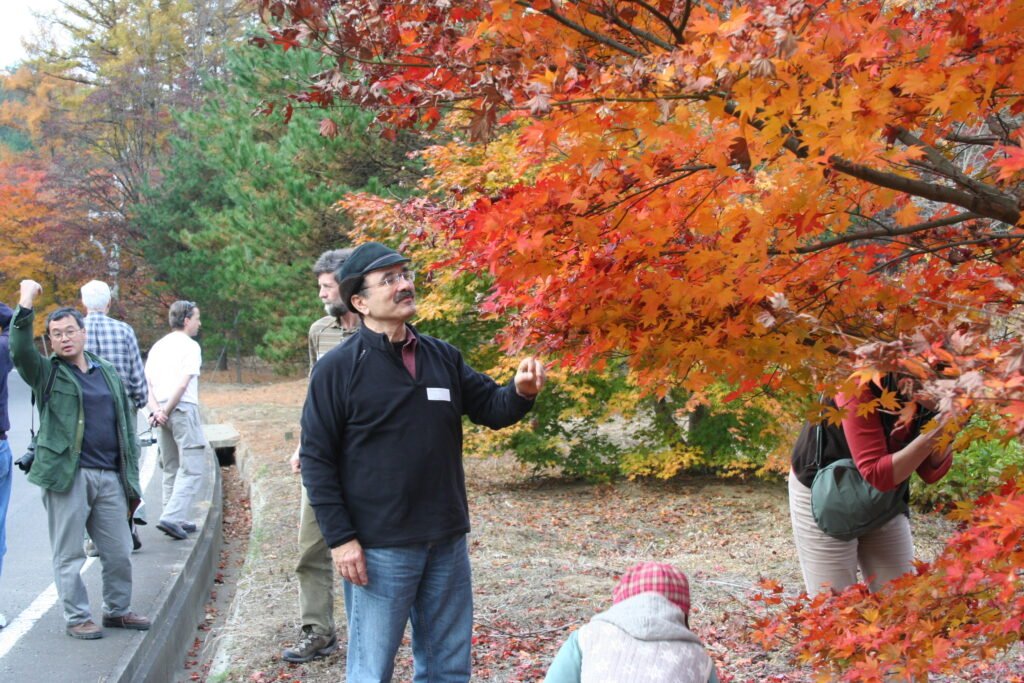
“Since 1990, The Maple Society has been increasing the public’s awareness of maples by encouraging discussion, promoting education, and sharing information in a variety of ways. These include an informative quarterly newsletter, expert-led group garden tours, regular online talks by guest speakers, and a triennial symposium that brings together members from all corners of the globe..”

The Maple Society of Europe is open to all, from those with a small courtyard garden growing a few trees in containers, to arboretum owners; from Japanese maple collectors, to bonsai practitioners; from members of the scientific community, to anyone simply looking to learn more about these most remarkable trees. 

The most important thing is to admire all things Acer!
The Maple Society Of Europe

We have grown to become a truly international community of maple enthusiasts, welcoming experts and amateurs alike from around the world.

Our mission

The Maple Society Of Europe is dedicated to furthering the knowledge, supporting the conservation, and promoting the culture of all species within the genus Acer.

Our values

With ever increasing pressure being placed on the natural world, The Maple Society of Europe also actively supports the environmental protection, scientific study and conservation of maple species.  

Our Goals

– To encourage the cultivation, propagation, and conservation of maples
– To preserve maple diversity​
– To clarify cultivar identities
– To discover and share knowledge about maple botany, culture, and use
– To enable members to learn from and communicate with each other
– To encourage the joy of community among those with a growing passion for maples

Why Maples?

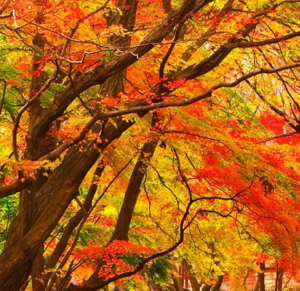
Over the years, maples have become increasingly popular, with more and more people planting them in their gardens. Today there are nearly 160 species growing wild throughout Europe, North Africa, Asia and North America, many of which thrive in our gardens.

What other tree genus can offer horticulturists the variety and scope for large or small gardens, patio or container planting, than the numerous maple species and cultivars?
 
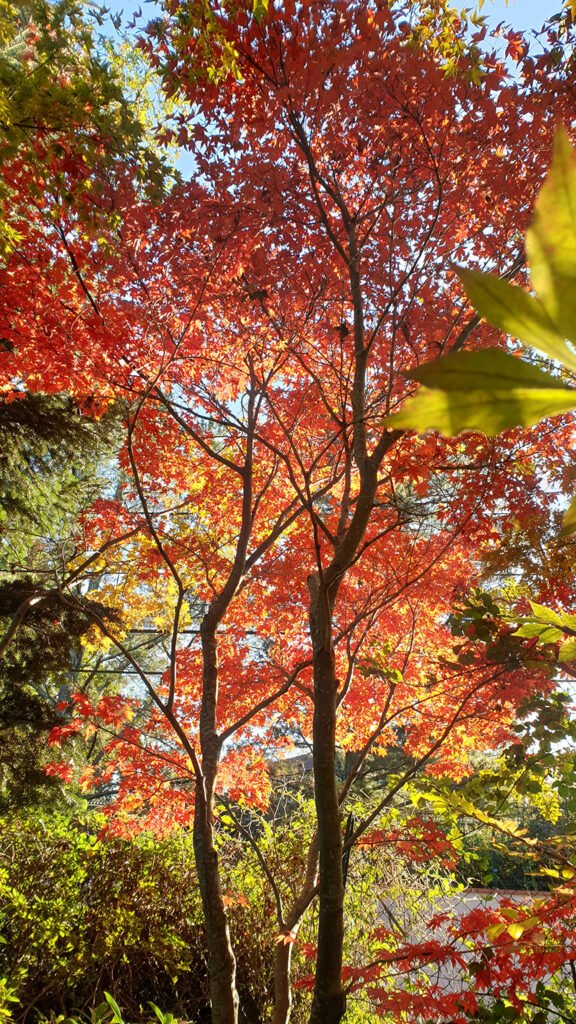
Selections for size, form, bark, foliage, flowers, leaves or autumn color are likewise incredibly abundant.
 
There are even species that specifically thrive in wet, dry, acid or alkaline soils, as well as sunshine, shade, exposed or sheltered conditions.

We are a Society that admires, caters to, and fosters interest in this delightful, versatile genus.

Our History
Founded in 1990

by Doug Goodyer, Radio Kent’s long-time gardening expert, popular plantsman, author and former Superintendent at Hever Castle, the Maple Society’s original goals were described in this letter submitted to the Arboricultural Journal
 
– Encourage the cultivation of maples;
– Enable members to learn from each other about their propagation, – – cultivation, introduction and identification;
– Facilitate the study of the botany, including the uses and cultural needs of maples; and
-Support the conservation of maples in the wild.

In 2001,

, a group of individuals located in the United States founded a North American branch, and our two organizations have been working closely together and collaborating on events ever since.

More recently, our efforts in supporting the environmental protection and conservation of maple species resulted in a successful collaboration with BGCI (Botanic Gardens Conservation International) to produce The Red List of Acer, the definitive report on the conservation status of maples in the wild.

.

Today,

more than 30 years since our founding, The Maple Society continues to achieve our goals thanks to the oversight and guidance of leading experts in the world of maples—from current President Agustin Coello-Vero, to past and present members including Roy Lancaster, Dick van Gelderen and his son Cor (Plantentuin Esveld), Gordon Harris (Mallet Court Nursery), Piet de Jong (Von Gimborn Arboretum), Hugh Angus (Westonbirt National Arboretum), Koen Camelbeke (Arboretum Wespelaar), Peter Gregory and J. D. Vertrees (authors of Japanese Maples), and many other respected maple professionals.

Benefits of membership

in The Maple Society have also grown over the years, backed by a passionate network of fellow members who are always willing to offer support, advice, and camaraderie.

To quote our first President Roy Lancaster: “Whether you grow, paint, study or simply enthuse over them, you will be supporting one of the loveliest, most variable and useful of all groups of ornamental trees.”

Interested in becoming a member? The Maple Society invites you to join us, and find out more about these fascinating trees that offer variety in every month of the year. All levels of enthusiasts are welcome!

maple society - Europe
The Maple Society of Europe

Our Goals

Our Mission

Learn

Benefits

About Us

FAQ

Join Us

Our Events

Scroll al inicio